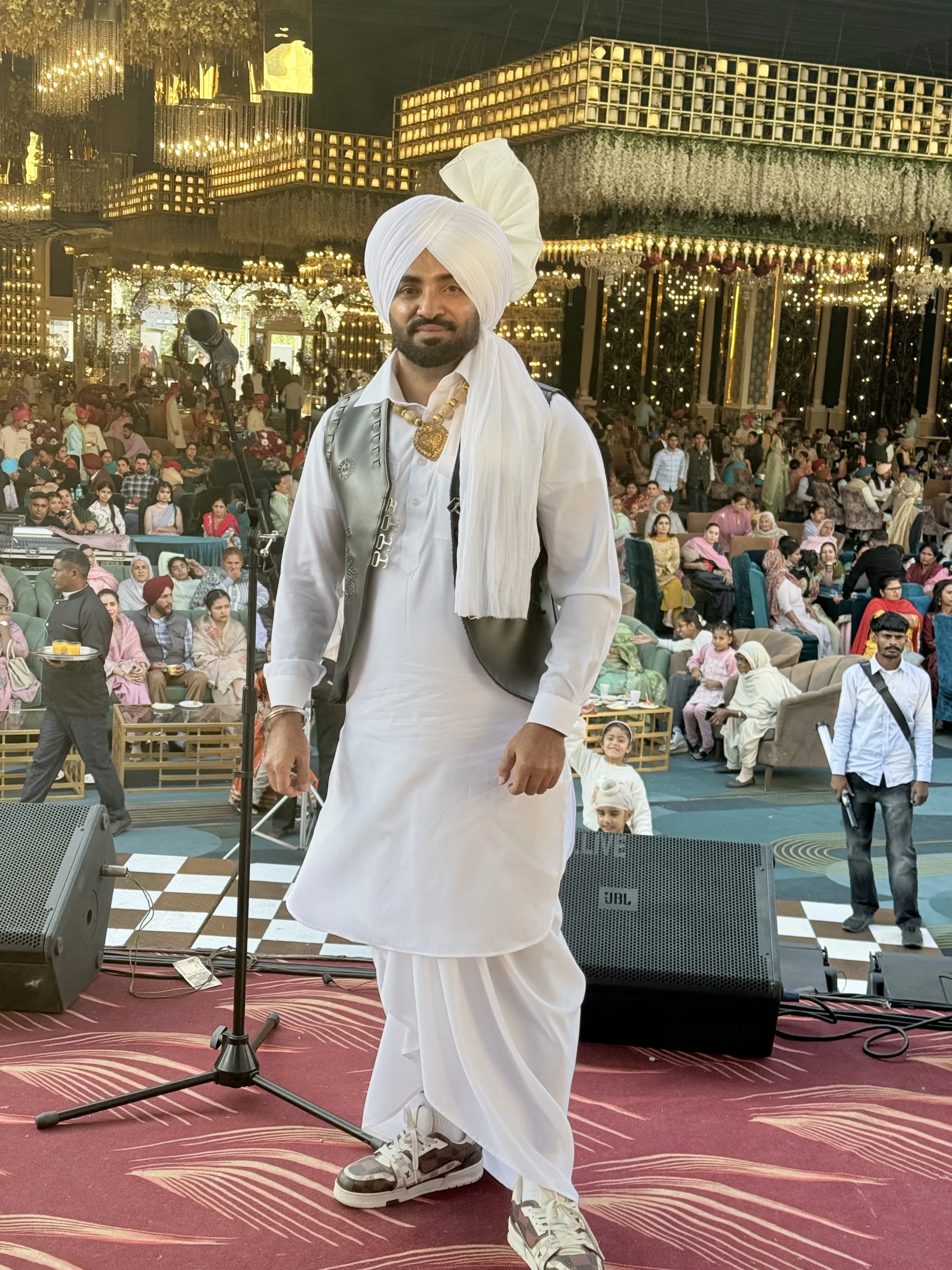
Star Night Events 101: What to Expect When You Book a Live Punjabi Show
A star night is a full-scale live concert built around one headline artist — typically booked by colleges, universities, festival committees, or community organizations. When you book a live Punjabi show with a performer like Resham Singh Anmol, expect a structured process: date and package confirmation, a technical rider covering stage and sound requirements, a customizable setlist blending folk and pop, and a 60–90-minute high-energy live performance. Planning starts 2–4 months in advance to ensure the best availability.
If your college, university, or community group is organizing a star night, you’re planning one of the biggest entertainment events of the year. Unlike a wedding performance or corporate background set, a star night is built entirely around the artist — the stage, the sound, the lighting, and the crowd energy all center on one live show. Knowing what to expect before you book makes the entire process smoother, from the first phone call to the final encore.
Having performed at star nights, college fests, and Vaisakhi melas across India, Canada, Australia, the UK, and the Middle East, Resham Singh Anmol’s team has seen every version of this event — from packed university auditoriums to open-ground festivals with tens of thousands of attendees. Here’s a clear walkthrough of how it works.
Step 1: Booking Timeline and Availability
Star nights are usually planned during college fest season (October to March) or around major cultural dates like Vaisakhi, Lohri, or Teej. Because a headline artist’s calendar fills up quickly during these windows, it’s best to reach out 2 to 4 months in advance. Early booking also gives organizers more flexibility to negotiate the date, package, and any special requests for the show.
Step 2: Understanding the Technical Rider
Once a date is confirmed, the artist’s management typically shares a technical rider — a document outlining exactly what the venue needs to arrange for a smooth live show. This usually includes:
- Stage size and load-bearing capacity for the performer and full live band
- Professional sound system (PA, monitors, mixing console) suited to the venue and expected crowd size
- Lighting setup — moving heads, LED walls, or basic stage wash depending on budget
- Power backup to avoid mid-show interruptions
- Green room or changeover space for the artist and crew
Organizers don’t need to source everything from scratch — most event production companies in India can fulfill a standard rider, and the artist’s team is usually available to clarify requirements ahead of the show.
Step 3: Building the Setlist
A star night setlist is rarely one-size-fits-all. For a college crowd, the set usually leans into high-tempo Punjabi pop and Bhangra-fusion tracks that keep energy high from the opening song. For a cultural or community-organized night — like a Vaisakhi mela or Teej celebration — the mix often shifts toward folk-rooted numbers that resonate with a broader, multi-generational audience.
Organizers can absolutely request adjustments: more folk, more recent chartbusters, or specific fan-favorite songs worked into the flow. Sharing your audience profile in advance — age range, college vs. community crowd, indoor vs. open-ground — helps the artist’s team tailor the show accordingly.
Organizing a College Fest or Star Night?
Book Resham Singh Anmol for a high-energy live show that keeps your crowd on its feet from the first song to the last.
Step 4: Show Duration and Structure
A standard star night performance runs 60 to 90 minutes, though this can be extended for larger festivals or multi-artist events. Most shows follow a natural build: an opening stretch of familiar hits to draw the crowd in, a middle section that can flex between folk and pop depending on audience response in real time, and a high-energy closing run of the artist’s biggest tracks to end on peak energy.
It’s worth confirming the exact duration, sound-check time, and any encore terms while finalizing the booking so both the organizing committee and the artist’s team are aligned on the day-of schedule.
Step 5: Crowd Management and Security
Star nights often draw large, high-energy crowds, especially at college fests and open-ground community events. Organizers should plan adequate barricading near the stage, a clear entry-exit flow, and coordination with local security or police for bigger gatherings. This isn’t the artist’s responsibility, but it directly affects how smoothly the show runs and how safely the audience can enjoy it.
Step 6: Payment and Confirmation
Bookings are typically confirmed with an advance payment, with the balance settled before or on the day of the event, depending on the agreement. It’s advisable to get the date, fee, technical rider, and setlist expectations documented in writing so there’s no ambiguity as the event approaches.
Whether it’s a university fest, a Vaisakhi mela, or a community star night, get a clear plan for your live show:
Final Word
A star night is more than a concert — it’s the centerpiece of your event calendar, and getting the logistics right makes the difference between a show people talk about for weeks and one that falls flat. With clear timelines, an agreed technical rider, and a setlist matched to your crowd, a live Punjabi show can anchor your college fest, cultural mela, or community celebration with the energy it deserves.
Frequently Asked Questions
1. What is a star night event?
A star night is a large-scale live music event, usually held by colleges, universities, community organizations, or festival committees, where a well-known singer performs a full concert-style show for a large audience. It’s built around one headline performer and a full production setup rather than a background or ambient performance.
2. How far in advance should I book a singer for a star night?
For a headline artist like Resham Singh Anmol, it’s best to book 2 to 4 months in advance, especially during peak college fest season (October to March) or festival periods like Vaisakhi. Popular dates can fill up quickly, so early confirmation secures both the artist and preferred logistics.
3. What does the venue need to provide for a star night show?
Organizers typically need to arrange a stage of adequate size, a professional sound and lighting system, power backup, green room or changeover space for the artist and band, and security/crowd management for the audience size expected. The artist’s team usually shares a technical rider covering these requirements in detail.
4. Can the setlist be customized for a star night?
Yes. While a core set of hit tracks is usually included, organizers can request adjustments — more folk-heavy songs for a cultural fest, more high-tempo pop and Bhangra numbers for a college crowd, or specific song requests worked into the set based on the audience profile.
5. How long does a typical live Punjabi star night performance last?
A standard star night set runs between 60 and 90 minutes, depending on the package agreed upon. This can be extended for larger festivals or multi-day events, and organizers should confirm the exact duration and any encore terms while finalizing the booking.